

Federal RICO cases often sound overwhelming because they involve complex investigations and many moving parts. Prosecutors must show more than bad conduct or isolated incidents to bring RICO charges. They must prove repeated illegal acts tied to a criminal enterprise and a clear pattern of racketeering activity.
These cases may involve businesses, organized crime groups, or individuals accused of serious criminal activity. The government spends years gathering evidence and building a prosecution’s case that connects people, crimes, and an enterprise.
At Perlman Defense Federal Criminal Lawyers help people facing RICO charges understand what prosecutors must prove and how to defend against serious criminal charges. Contact us today at (747) 373-0477 for a free consultation.
What Is a Predicate Act Under Federal RICO Law?

A predicate act is a specific crime listed in the RICO statute that supports a RICO violation. These predicate offenses form the building blocks of a RICO case. Federal prosecutors must prove that the defendant committed qualifying predicate crimes tied to racketeering activity.
Not every crime qualifies. The acts must be listed under the Racketeer Influenced and Corrupt Organizations Act and must connect to an enterprise and criminal activity.
Why Predicate Acts Matter in RICO Cases
Predicate acts are central to RICO cases. Without them, a RICO claim fails. They help prove a pattern requires ongoing illegal activity.
The Legal Framework for Predicate Acts in RICO Cases
Federal law sets strict rules for using predicate acts in RICO cases. Prosecutors must follow the statute and prove every required element. Courts carefully review how predicate acts are charged and connected.
Statutory Basis for Predicate Acts
The RICO Act lists crimes that qualify as predicate acts. These include fraud, bribery, extortion, and other serious offenses. The statute clearly defines which illegal acts can be used in a RICO case. Prosecutors cannot rely on crimes that are not listed in the law. Courts carefully review the statute to make sure each alleged act legally qualifies.
Minimum Number of Predicate Acts Required
At least two predicate acts are required. They must occur within ten years and show a real pattern. These acts must also be related and connected to the same enterprise. Crimes that happen far apart or without a clear link often fail this requirement. Prosecutors must prove the acts work together to form ongoing racketeering activity.
Common Predicate Acts Used in Federal RICO Prosecutions
Federal prosecutors rely on a broad range of predicate crimes. These acts often involve financial misconduct, drugs, or violence tied to an alleged enterprise.
Fraud-Based Predicate Acts
- Wire fraud: using electronic communications for fraud
- Mail fraud: using mail to commit fraud
- Securities and investment fraud: misleading investors for gain
Financial Crimes as Predicate Acts
- Money laundering: hiding illegal profits
- Bank fraud: deceiving financial institutions
- Extortion and bribery: forcing payment or influence
Drug and Violent Crime Predicate Acts
- Drug trafficking and distribution: large-scale drug dealing
- Robbery, extortion, and violent offenses tied to enterprise activity
How Prosecutors Use Predicate Acts to Prove a RICO Pattern
Predicate acts help prosecutors prove a pattern of racketeering activity. They connect crimes over time and show organized illegal activity.
Linking Predicate Acts to an Alleged Enterprise
Prosecutors must prove the existence of an enterprise. The acts must relate to a formal organization, business, street gangs, or even a drug cartel.
Establishing Relatedness Between Predicate Acts
The crimes must share a connection. Courts look for common goals, methods, or victims.
The Continuity Requirement and Predicate Acts
Continuity shows that criminal activity was ongoing or threatens to continue. This requirement prevents RICO cases based on short-term conduct.
Closed-Ended Continuity
Closed-ended continuity involves crimes over a defined time. These acts often span years and show repeated conduct. Courts look at how long the criminal activity lasted and how often the acts occurred. A short series of acts over a brief time usually does not meet this requirement.
Open-Ended Continuity
Open-ended continuity shows a risk of future crimes. Even fewer acts may qualify if illegal activity appears ongoing. Courts focus on whether the conduct suggests the crimes could continue. This often applies when the enterprise’s normal activities involve criminal behavior.
Predicate Acts in White Collar RICO Cases
White collar RICO cases often involve businesses and fraudulent business practices. These cases usually rely on documents and financial evidence.
Business Conduct vs. Criminal Predicate Acts
| Lawful Conduct | Criminal Predicate Acts |
|---|---|
| Honest business decisions | Fraud and bribery |
| Legal contracts | Mail and wire fraud |
| Compliance actions | Money laundering |
Email, Financial Records, and Alleged Predicate Acts
Emails and financial records often support the government’s case. These documents help gather evidence of intent and illegal activity.
Common Defenses to Alleged Predicate Acts
Defendants have many common defenses in RICO cases. A strong defense challenges both the acts and the connections.
Predicate Acts Are Not Qualifying RICO Offenses
Some crimes do not qualify under the statute. If acts fall outside the list, RICO charges fail. The court will closely review whether each alleged act is listed in the RICO statute. If the offense does not qualify, it cannot be used to support a RICO violation.
Lack of Evidence for Individual Predicate Acts
Prosecutors must prove each act. Weak evidence creates reasonable doubt. If even one predicate act is unsupported, the prosecution’s case can weaken. Courts require clear proof that the defendant committed each alleged offense.
Acts Were Isolated, Not a Pattern
Isolated incidents do not meet RICO standards. The pattern requires ongoing conduct. Crimes that happen once or without connection usually fail under RICO law. Prosecutors must show repeated acts tied together over time.
Frequently Asked Questions About Predicate Acts in RICO Cases
How many predicate acts are required?
At least two qualifying acts are required.
Can businesses face RICO charges?
Yes. Businesses can be involved in RICO cases.
Are civil RICO claims different from criminal cases?
Yes. Civil RICO allows recovery of actual damages.
What is considered a RICO violation?
A RICO violation involves a criminal enterprise using repeated illegal acts. These acts must show influenced and corrupt organizations under the law.
Why is experienced counsel important in RICO cases?
RICO cases are complex and used to combat organized crime. Experienced counsel helps defend against serious charges tied to a criminal enterprise.
Contact Our Federal RICO Defense Lawyer for a Free Consultation
Facing RICO charges is serious and can lead to severe penalties, including long prison terms and high legal fees. These cases involve complex investigations, multiple defendants, and detailed evidence. At Perlman Defense Federal Criminal Lawyers, our experienced attorney provides skilled legal representation for individuals and businesses facing RICO charges.
We review the government’s case, challenge weak predicate acts, and protect your rights in court. If you are facing RICO charges or a civil RICO claim, contact our office today. We are ready to answer questions, review your case, and build a strong defense.
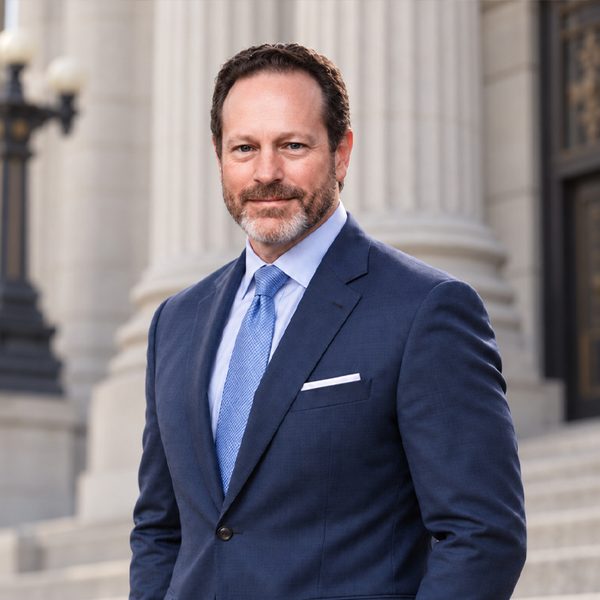
Daniel Perlman
Criminal Defense Attorney
Daniel R. Perlman, the founding attorney at Perlman Defense Federal Criminal Lawyers, leverages his extensive background as a former prosecutor to provide superior defense strategies for clients across federal courtrooms. Earning his Juris Doctor from the Catholic University of America’s Columbus School of Law, he first honed his legal skills with the Maryland State’s Attorney’s Office.
This diverse experience enables him to advocate effectively, understanding prosecution tactics intimately, which he expertly counters in defense of his clients. With a profound commitment to justice, Daniel leads his team in tackling complex federal cases, from white-collar crimes to violent offenses, ensuring the highest level of defense through every phase of the criminal process.
Learn More