


Facing federal charges in Jonesboro can change your life fast, because federal cases move quickly and the consequences can be severe. Our Jonesboro federal criminal defense lawyer helps protect your rights, explain federal law, and guide you through federal courts with clear advice during arrest, investigation, and trial.
Perlman Defense Federal Criminal Lawyers helps you understand federal prosecutions, work with your criminal defense attorney, and prepare a strong defense. Our law firm serves clients across Arkansas, including Jonesboro, Little Rock, Fort Smith, and Fayetteville, with focused representation in serious federal criminal cases, when justice, rules, and procedures matter most for your future today. Contact us today at (747) 373-0477.
Federal Criminal Charges in Jonesboro

Federal criminal charges in Jonesboro involve crimes that cross state lines, affect the federal government, or fall under specific statutes. These cases often bring federal agencies, federal prosecutors, and strict criminal procedure rules.
Understanding how federal charges differ helps clients see risks, protect constitutional rights, and prepare for defense in state and federal courts before arrest or indictment is filed.
What Makes a Case Federal
A case becomes federal when federal law applies, such as crimes on federal property, offenses involving interstate activity, or acts against the federal government. Common federal cases include money laundering, bribery, drug offenses, and fraud.
Federal prosecutors handle these matters, and federal judges apply national statutes, rules, and sentencing standards that differ from Arkansas state law.
Federal vs. Arkansas State Criminal Charges
| Topic | Federal Cases | Arkansas State Cases |
|---|---|---|
| Courts | Federal courts | State courts |
| Laws | Federal law and statutes | Arkansas law |
| Prosecutors | Federal prosecutors | State prosecutors |
| Penalties | Often higher sentencing | Varies by offense |
| Procedure | Strict criminal procedure | State procedures |
| Charges | Felony focused | Felony or misdemeanor |
Federal Agencies Involved (FBI, DEA, ATF, IRS)
Federal agencies investigate many federal charges. The FBI handles fraud, civil rights, and complex crimes. The DEA focuses on drug possession and trafficking. The ATF investigates firearms and explosives. The IRS reviews tax crimes and business records. These federal agencies gather evidence that can lead to indictments and arrest.
Federal Drug Charges and Mandatory Minimum Sentences
Federal drug cases carry serious consequences because federal law sets fixed penalties. These cases often involve possession, trafficking, or conspiracy, and they move fast through federal courts. Mandatory minimum sentences can limit a judge’s discretion.
Understanding these rules helps clients facing federal charges plan defense, protect rights, and avoid unfair sentencing outcomes when possible.
Drug Possession vs. Drug Trafficking
| Issue | Possession | Trafficking |
|---|---|---|
| Amount | Small or personal use | Large quantities |
| Intent | Personal use | Sale or transport |
| Penalties | Lower sentencing | Mandatory minimums |
| Evidence | Drugs found | Drugs, money, records |
| Charges | Felony or misdemeanor | Serious felony |
Mandatory Minimum Penalties Under Federal Law
Mandatory minimum penalties require a judge to impose set prison terms for certain offenses. In federal prosecutions, these rules apply to many drug crimes. Even first-time offenders can face long sentences. An experienced criminal defense lawyer works to obtain relief, seek exceptions, or negotiate a plea agreement when allowed by law.
Sentence Enhancements and Prior Convictions
Sentence enhancements increase punishment based on prior convictions, weapon use, or leadership roles. Past offenses, even admitted or proven guilty years ago, can raise sentencing levels. Understanding criminal history rules helps counsel fight unfair enhancements and protect clients from excessive penalties in federal cases.
The Federal Criminal Court Process
The federal criminal court process follows strict procedures from investigation through appeals. Each step matters and moves quickly. Federal practice requires careful planning, strong evidence review, and clear strategy.
Knowing how federal judges, prosecutors, and courts operate helps clients understand what to expect and how defense decisions affect outcomes.
Federal Investigations and Target Letters
Federal investigations often begin long before arrest. Agents may contact witnesses, review business records, or send target letters. A target letter warns that a person may be indicted by a grand jury. Early assistance from a criminal defense attorney can protect constitutional rights and limit harmful statements.
Arrests and Grand Jury Indictments
If evidence supports charges, a grand jury may issue indictments. An arrest can follow quickly. Federal indictments list specific crimes and statutes. Being indicted does not mean proven guilty. Defense counsel reviews the filing, challenges errors, and prepares for the next courtroom steps.
Initial Appearance and Detention Hearings
After arrest, the initial appearance occurs before a judge. The court reviews charges and rights. A detention hearing follows to decide release or custody. Strong representation can argue for bond, address risk concerns, and protect the client’s freedom while the case proceeds.
Pretrial Motions and Discovery
Pretrial motions shape the case. Defense teams seek evidence through discovery and challenge violations. Motions may address illegal searches, violated constitutional protections, or improper procedures. Careful motion practice can weaken the prosecution’s case before trial begins.
Trial in U.S. District Court
At trial, both sides present evidence, question witnesses, and argue the law. Federal judges oversee strict rules. The defense fights to raise doubt, challenge evidence, and protect the client’s rights. Many cases resolve before trial, but readiness matters.
Appeals in the Eighth Circuit Court of Appeals
After sentencing, appeals may be filed. The Eighth Circuit Court of Appeals reviews legal errors, procedures, and constitutional issues. Appeals focus on law, not new evidence. Skilled counsel explains options and timelines clearly to clients.
Federal Sentencing and Penalties
Federal sentencing follows national guidelines and rules. Penalties can include prison, fines, and supervision. The process considers offense severity, criminal history, and conduct. Understanding sentencing helps clients see risks, plan defense choices, and seek fair outcomes under federal law.
How the U.S. Sentencing Guidelines Work
The U.S. Sentencing Guidelines assign points based on offenses and conduct. Judges calculate ranges but may adjust in limited situations. These guidelines strongly influence sentencing in federal courts, even though they are advisory.
Offense Levels and Criminal History
Offense levels reflect crime seriousness. Criminal history counts past convictions. Together, they set sentencing ranges. Errors can raise penalties, so defense counsel reviews records closely to correct mistakes and argue for lower levels.
Supervised Release and Federal Probation
After prison, courts may order supervised release or federal probation. These terms include rules on work, travel, and conduct. Violations can lead to more time. Clear guidance helps clients comply and avoid added consequences.
Fines, Restitution, and Asset Forfeiture
Federal penalties may include fines, restitution to victims, and asset forfeiture. Property, money, or business assets can be taken. Defense strategies aim to protect lawful property and limit financial harm when possible.
Defense Strategies in Federal Criminal Cases
Defense strategies depend on evidence, procedures, and constitutional protections. Federal criminal defense focuses on early action, detailed review, and strong courtroom advocacy. Each case is unique, and smart planning can reduce charges, limit sentencing, or lead to dismissal.
Illegal Search and Seizure (Fourth Amendment)
If agents obtained evidence through illegal search and seizure, the Fourth Amendment may be violated. Challenging unlawful searches can block key evidence and weaken the prosecution’s case.
Suppression of Evidence
Suppression motions ask the court to exclude evidence obtained unlawfully. This includes statements, records, or physical items. Suppressed evidence can change the entire case outcome.
Lack of Intent or Knowledge
Many crimes require intent or knowledge. Showing lack of intent can defeat charges. The defense may prove the client did not know about offenses or did not act knowingly.
Entrapment and Government Misconduct
Entrapment occurs when the government pushes someone to commit crimes they would not otherwise commit. Misconduct by agents can violate constitutional standards and support dismissal.
Challenging Federal Jurisdiction
Some cases do not belong in federal courts. Challenging jurisdiction questions whether federal law applies. Successful challenges can end federal prosecutions or move cases to proper courts.
Why Hire a Jonesboro Federal Criminal Defense Lawyer
Federal cases are high stakes and complex. Hiring a Jonesboro federal criminal defense lawyer gives clients-focused defense, clear advice, and strong advocacy. Experience, local knowledge, and federal practice skills matter when freedom, family, and future are at risk.
Experience in the Eastern District of Arkansas
Experience in the Eastern District of Arkansas helps counsel understand local courtroom practices, judges, and procedures. This knowledge supports effective defense planning and communication.
Knowledge of Federal Judges and Prosecutors
Knowing how federal judges rule and how federal prosecutors build cases helps shape strategy. Insight into negotiation styles supports better plea agreement discussions when appropriate.
Focused Defense for High-Stakes Federal Cases
Federal charges often involve felony offenses with severe consequences. Focused defense means careful evidence review, strong motions, and readiness to fight at trial or on appeals.
Frequently Asked Questions (FAQs)
Can federal charges affect family law matters like custody or divorce?
Yes. Federal cases can impact custody, divorce, and family stability.
Is a federal case the same as a DWI or personal injury case?
No. Federal cases follow different law, rules, and courts.
What happens if I am indicted by a grand jury?
It means formal charges are filed, but you are not proven guilty.
Can a federal case be dismissed before trial?
Yes. Some federal cases end through motions, lack of evidence, or legal errors.
Should I speak to agents during an investigation?
Always seek counsel before speaking to agents.
Schedule a Free Case Review with Our Jonesboro Federal Criminal Defense Lawyer Today
If you are facing federal charges or believe an investigation is underway, early action matters. A consultation with our Jonesboro federal criminal defense lawyer gives you clear answers and real assistance.
Perlman Defense Federal Criminal Lawyers serves clients with respect, protect constitutional rights, and focus on defending your future. Whether your case involves arrest, indictments, evidence issues, or sentencing risks, our firm is ready to help.
Contact us today to schedule a free consultation, learn your options, and get strong representation from a trusted criminal defense lawyer who understands federal cases and stands ready to fight for justice.
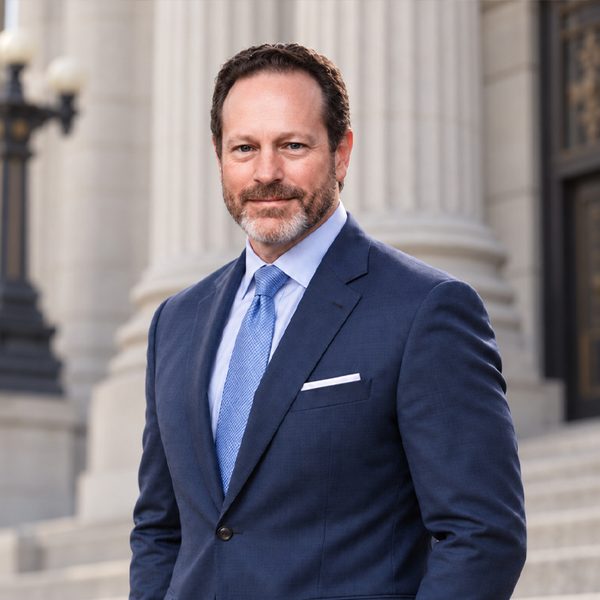
Daniel Perlman
Criminal Defense Attorney
Daniel R. Perlman, the founding attorney at Perlman Defense Federal Criminal Lawyers, leverages his extensive background as a former prosecutor to provide superior defense strategies for clients across federal courtrooms. Earning his Juris Doctor from the Catholic University of America’s Columbus School of Law, he first honed his legal skills with the Maryland State’s Attorney’s Office.
This diverse experience enables him to advocate effectively, understanding prosecution tactics intimately, which he expertly counters in defense of his clients. With a profound commitment to justice, Daniel leads his team in tackling complex federal cases, from white-collar crimes to violent offenses, ensuring the highest level of defense through every phase of the criminal process.
Learn More