By: Daniel Perlman
Are you under investigation by a federal agency or concerned that you may be facing federal criminal charges in the US? Contact Perlman Defense Federal Criminal Lawyers at (747) 373-0477 for a free consultation with a federal criminal investigations lawyer. Our attorneys help clients across the country deal with federal investigators, face possible charges, and build a defense.
Federal investigations can involve extensive evidence gathering, multiple government agencies, and serious potential penalties. Investigators may spend months building a case before contacting you or filing charges. Seeking legal representation early can help you address the government's allegations before the investigation progresses.

Federal investigations involve complex evidence, federal laws, and strict legal procedures. Perlman Defense Federal Criminal Lawyers has the background and resources to represent clients facing complex federal criminal matters throughout the United States.
Our qualifications include:
Our attorneys can assist at every stage of a federal criminal case, from the initial investigation through trial when necessary. Contact the firm today to schedule a free consultation with a federal criminal defense attorney.
Federal investigations often start with a tip, complaint, unusual financial activity, or evidence found in another case. Agencies such as the FBI, DEA, IRS Criminal Investigation, and ATF may work with federal prosecutors to determine whether a federal crime has occurred.
Investigators may gather evidence through witness interviews, subpoenas, surveillance, financial records, and search warrants. An investigation may last months or years before the person involved even knows about it.
Once investigators have gathered sufficient evidence, federal prosecutors decide whether to pursue criminal charges, continue investigating, or close the case. Not every federal investigation results in an arrest or indictment.
Federal authorities do not always notify people that they are being investigated. In some cases, investigators gather evidence for months before contacting the individuals involved.
Possible signs of a federal investigation include:
These circumstances do not necessarily mean you will face charges. However, if you suspect you are under investigation, a federal criminal defense lawyer can help you assess the situation and communicate with authorities when appropriate.
A federal target letter is a written notice informing someone that prosecutors consider them a target of a criminal investigation, often involving a federal grand jury. Under Department of Justice rules, a target is someone prosecutors believe has strong evidence against them and may face criminal charges.
A target letter may list possible crimes, explain your status, and tell you how to contact prosecutors or appear before a grand jury. Receiving a target letter does not mean you have been indicted or convicted. However, it indicates that prosecutors are seriously considering potential criminal charges. Not everyone under federal investigation receives a target letter.
If you receive one, contact a federal criminal defense attorney before responding or providing information to investigators.
A federal subpoena may order you to turn over records or testify during a criminal investigation. Grand jury subpoenas are commonly used to gather evidence before prosecutors decide whether to file charges.
If you receive a subpoena, do not ignore it or destroy potentially relevant records. An attorney can help you:
Receiving a subpoena does not necessarily mean you are suspected of committing a crime. However, it is important to address the request carefully and seek legal advice before responding.
A federal search warrant authorizes law enforcement officers to search specified locations or property and seize evidence within the warrant's scope. A judge generally issues a search warrant after finding probable cause to believe evidence of a crime will be found.
If federal agents arrive with a search warrant, you should:
You generally do not have to consent to a search that agents are already authorized to conduct under a valid warrant. Depending on the circumstances, an attorney may challenge the warrant or seek to suppress evidence obtained through an unlawful search.
If federal agents contact you at home, work, or elsewhere, remain calm and avoid interfering with their investigation. You generally have the right to decline a voluntary interview and request legal counsel before answering substantive questions.
Important steps include:
Making materially false statements to federal investigators can lead to separate charges. Even statements intended to explain your conduct may become evidence in a criminal investigation.
A federal grand jury investigates suspected criminal conduct and determines whether probable cause exists to support an indictment. Federal grand juries generally consist of 16 to 23 members, and at least 12 must agree before an indictment can be returned.
Important features of federal grand jury proceedings include:
An indictment is a formal criminal accusation, not a determination of guilt. The government must still prove the charges beyond a reasonable doubt to obtain a conviction at trial.
Perlman Defense Federal Criminal Lawyers represents clients facing a wide range of federal criminal investigations and charges nationwide. Our attorneys handle cases involving serious allegations, complex evidence, and multiple federal agencies.
Types of federal crimes we handle include those associated with:
Federal investigations may involve several overlapping charges arising from the same alleged conduct. Our attorneys can assist clients during the investigation and defend against formal charges if prosecutors decide to pursue a criminal case.
Yes. You do not have to wait until an arrest or indictment to hire a federal criminal defense attorney. Legal representation during an investigation may provide opportunities to address the government's concerns before prosecutors make charging decisions.
Depending on the circumstances, an attorney may:
Early intervention does not guarantee that prosecutors will decline to file charges. However, it can help you avoid unnecessary legal risks and prepare for potential developments in the investigation.
A federal criminal investigation in the United States can involve subpoenas, search warrants, grand jury proceedings, and the possibility of serious criminal charges. Even if you have not been arrested or indicted, seeking legal representation early can help you respond to investigators, address potential allegations, and prepare for what may come next.
Perlman Defense Federal Criminal Lawyers represents individuals facing federal investigations nationwide. Contact our firm today to schedule a free consultation with a federal criminal investigations attorney.

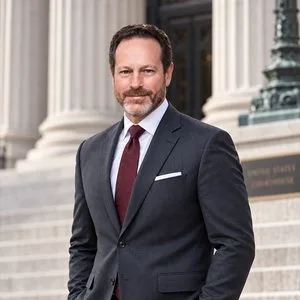
Daniel R. Perlman, the founding attorney at Perlman Defense Federal Criminal Lawyers, leverages his extensive background as a former prosecutor to provide superior defense strategies for clients across federal courtrooms. Earning his Juris Doctor from the Catholic University of America's Columbus School of Law, he first honed his legal skills with the Maryland State’s Attorney’s Office.
This diverse experience enables him to advocate effectively, understanding prosecution tactics intimately, which he expertly counters in defense of his clients. With a profound commitment to justice, Daniel leads his team in tackling complex federal cases, from white-collar crimes to violent offenses, ensuring the highest level of defense through every phase of the criminal process.
"*" indicates required fields


Request Your
Confidential Consultation
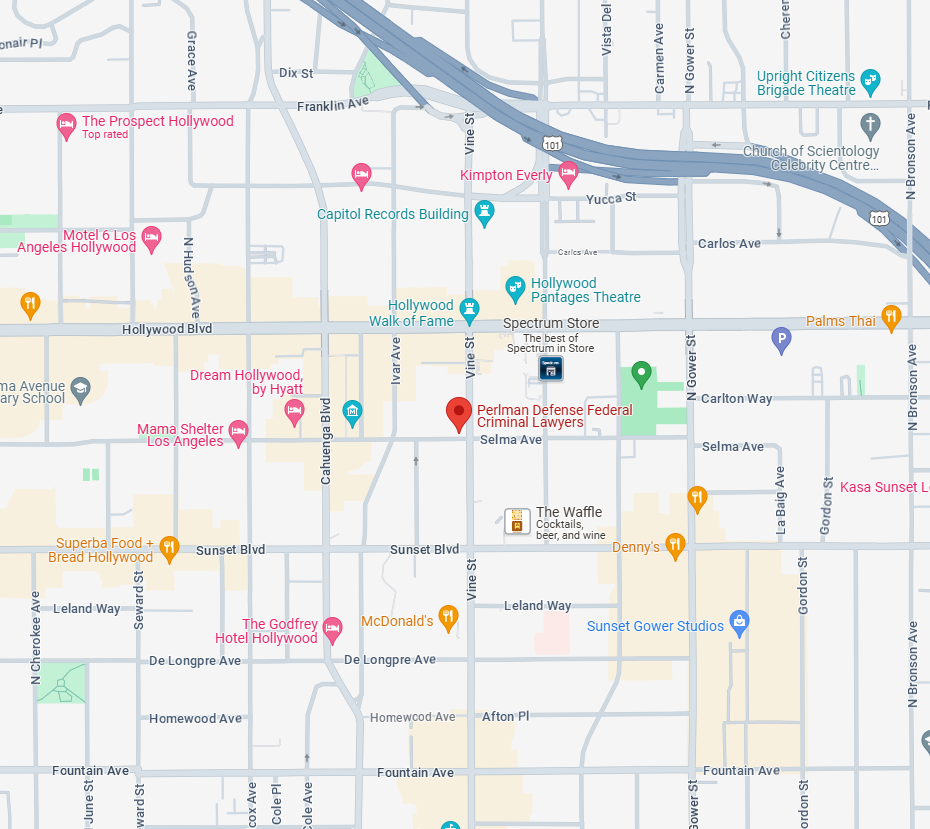
Fill out the contact form or call us at (213) 205-0821 to schedule your free consultation.
"*" indicates required fields
